
This blog is intended to show you how psychologists and therapists use CBT with clients and how you can begin to use it to help you, your kid or your team.
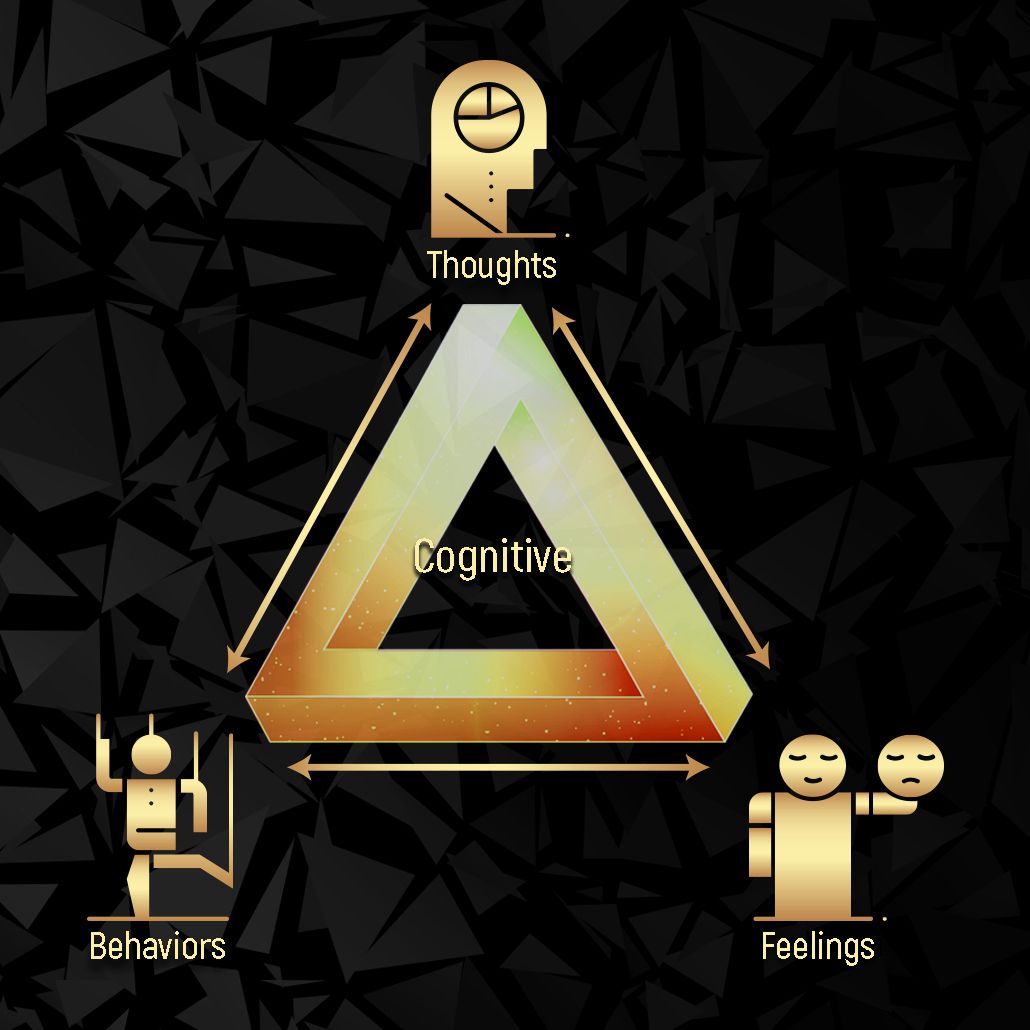
In the 1960’s psychiatrist Aaron Beck developed the original concept of cognitive behavioral therapy. So what is CBT and why is it so popular in mental health and performance? Cognitive behavioral therapy is summed up as the relationship between our thoughts, feelings (emotions), and behaviors. He discovered this when he realized many of his clients suffering from depression were experiencing the emotion due to irrational thoughts about themselves and their reality. When he challenged these thoughts and helped people begin to recognize the incongruence in them, they began to feel better which helped them become more active and social which helped their thoughts improve and so on around the cycle.
Here is a non sport example I use with my clients.
The client is a 7 year old boy who is afraid of a monster in his closet.
Thought: There is a monster in my closet
Emotion: Fear
Behavior: Avoidance, sleep with mom or dad, need night light or closet door to be closed.
Presenting concern is the client is having anxiety during bed time and is having trouble falling asleep due to fear of being taken or hurt by a monster.
What doesn’t work:
- Telling the kid there is no monster and to go back to bed.
- Letting the kid sleep with parents until he grows out of the fear
- Accommodating too much but letting them sleep with all the lights or having to check the closet every night to make sure its safe
In comes good fashion CBT to help this child.
When we look at the triangle there are two parts we can change and manipulate and one we can’t. Can you guess which two? If you guessed thoughts and behaviors you would be correct. Telling someone to change their emotion is like asking someone to stop being angry, sad or nervous, it just isn’t effective. Therapists are trained to be creative in how to approach thoughts and behaviors together to ultimately help change the emotion.
The goal with this client is to help emotion go from fear to relaxed.
Let’s start with thoughts. I wouldn’t tell this kid this is just his imagination. I would ask high quality questions to challenge the beliefs themselves.
- Have you ever seen this monster?
- Do you know what it sounds like?
- Have your friends ever seen a monster in their closets?
- Do you think there is even a 1% chance there isn’t a monster in there?
- Would mom or dad ever let a monster get you?
After enough questions similar to these the child might start to rethink the reality of a monster being out to get him.
Now to the behaviors. I know you feel safe with mom and your night light, but how about tomorrow we try to sleep with the hallway light on instead of your own light. I know it might be a little scarier, but I also know you can be brave.
Over and over we challenge clients’ beliefs and encourage behaviors until one day they decrease their fear and increase their courage and anxiety before bed becomes a thing of the past.
So how does this apply to sports psychology you ask?
Not much differently at all. We set out to identify the unhelpful thoughts, beliefs, negative habits, core values and past experiences all leading to unwanted emotions (performance anxiety, anger, low confidence, etc.) and behaviors (playing tight, fearful, angered, giving up).
Let’s go through an example:
Client struggles with performance anxiety in golf tournaments.
We know the emotion is anxiety and we know the behavior is playing poorly or scared. We need to be a detective and find out which underlying thoughts or beliefs are causing this, where did it come from, its usefulness now and how to challenge it head on.
Questions I might ask and you can ask these to yourself or athlete:
- What are you afraid of happening the most?
- What will it mean about you, your future or your happiness if this happens?
- Are these beliefs 100% true?
- Are these beliefs helpful?
- Would you consider looking at it another way?
Almost every time we will point out where the source is coming from. “If I shoot the highest score on the team, all my teammates will lose faith in me and think I stink.” This certainly sounds like a thought that would lead to performance anxiety. This is simply your brain trying to avoid this reality from playing out. The behavior ends up being an athlete trying too hard, playing too safe, playing out of anger and fear. An unenjoyable low confidence experience which can lead to burnout or quitting if it happens too often.
What doesn’t work:
You won’t shoot the highest score, you’re one of the best players.
Don’t think like that, you’re just being negative and hard on yourself.
No one will think you stink you have done well in the past.
What works:
- I don’t know if you will shoot a high score or what your teammates will think of you, but does this thought help you play more freely or more scared? Does this thought help you be present or worry about the end score? Does this thought make playing enjoyable or stressful?
- Is this thought true even if it does happen? Have other good players shot high scores before? Pro golfers? Do they stink? Can you accept this reality even if it happens? Can you learn from it and grow for the next tournament?
High quality questions allow the brain to challenge its own critical and unhelpful thoughts.
Once the old beliefs change to something less fearful to something more truthful we feel less anxiety. With less anxiety we can play more freely and confidently. We begin to pursue playing well instead of avoiding playing poorly. We begin to take more strategic risk with willingness to fail. We start focusing on the task in front of us and not what happened or could happen.